
How the Father Amir Shaped the Foundations — of Modern Qatar?
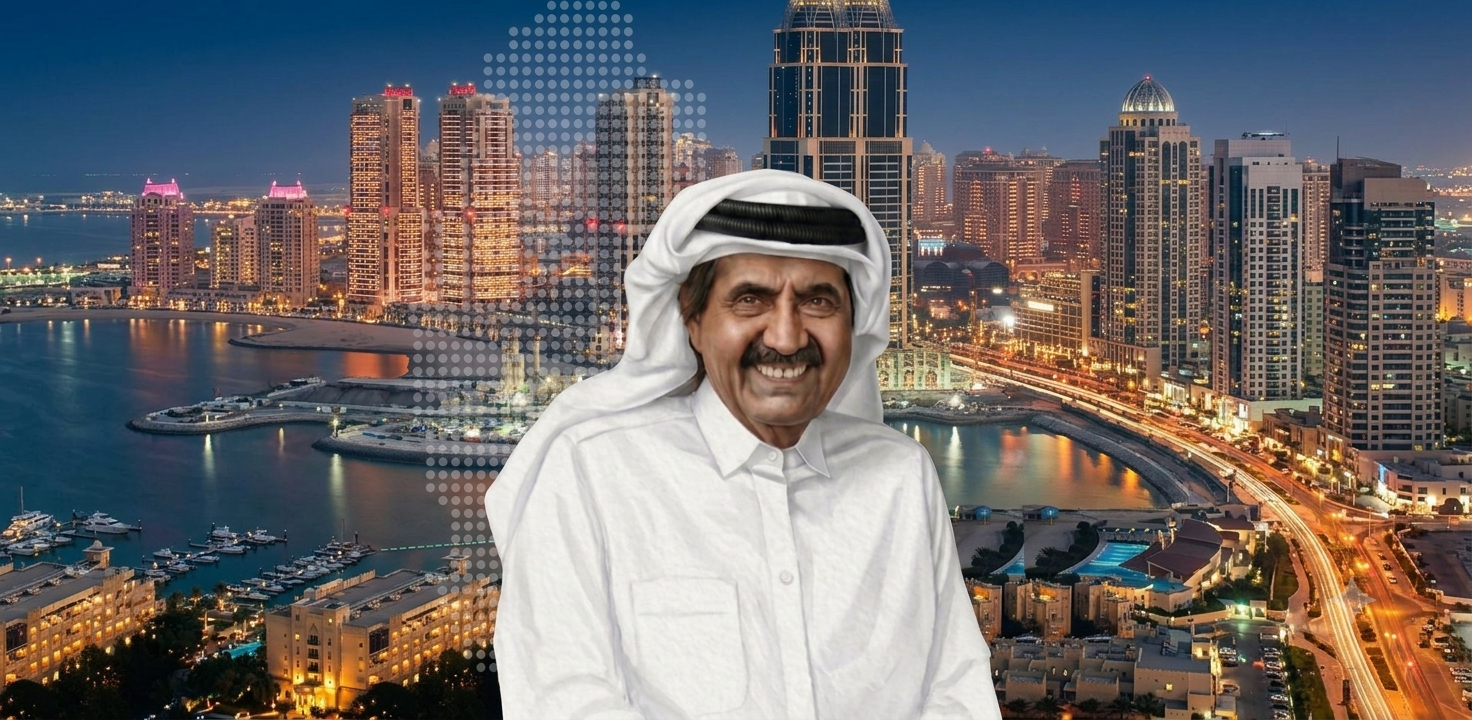
Engineering Qatar's Transformation: How the Father Amir Shaped the Foundations of Modern Qatar?[cite: 2]
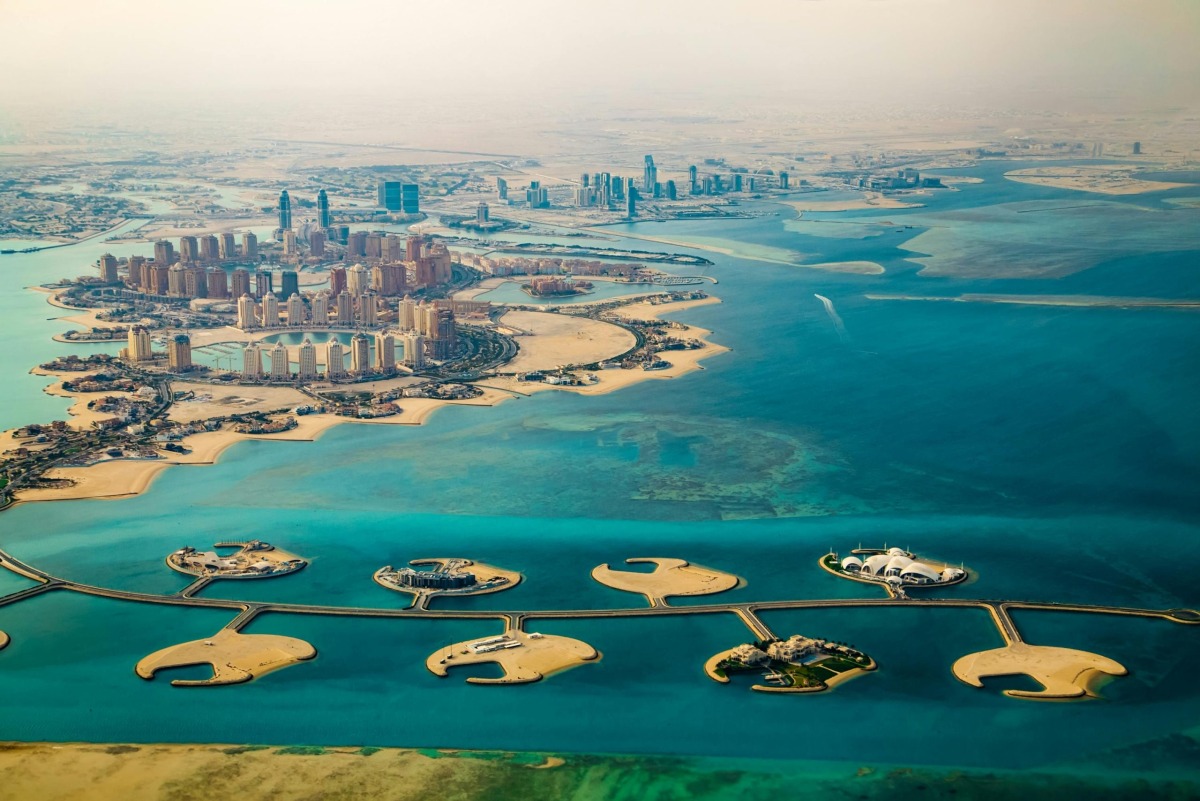
1. Introduction: From a Fleeting Boom to a Deliberately Designed Transformation
In the summer of 1995, an economic analyst's report on the State of Qatar would hardly have required more than a few pages[cite: 2]. The economy was relatively small and lacked diversification, with a gross domestic product of around US$8 billion and an almost complete dependence on oil revenues, while the vast gas wealth of the North Field remained little more than deferred promise on paper, not yet translated into actual production[cite: 2]. Based on these realities, such reports inevitably arrived at familiar conclusions, classifying Qatar among emerging economies whose prospects were tied to global commodity prices and the risks of excessive resource concentration, with no clear long-term outlook[cite: 2].
Yet, only eighteen years later, that very figure had risen to nearly US$200 billion[cite: 2]. Such a remarkable transformation often encourages superficial interpretations that reduce the story to a fortunate coincidence of rising energy prices[cite: 2]. It is a convenient explanation because it spares its advocates the effort of learning from an experience that cannot be explained by luck alone[cite: 2]. The true transformation was not merely a surge in revenues; it was the comprehensive reconstruction of an economic model that deliberately converted the returns from finite natural resources into productive assets, financial institutions, modern infrastructure, and highly qualified human capital[cite: 2]. Such outcomes do not happen by chance—they are consciously designed[cite: 2]. For this reason, Qatar's experience deserves to be examined as a case study in institutional transformation by design[cite: 2].
2. When Risk Becomes a Strategic Decision
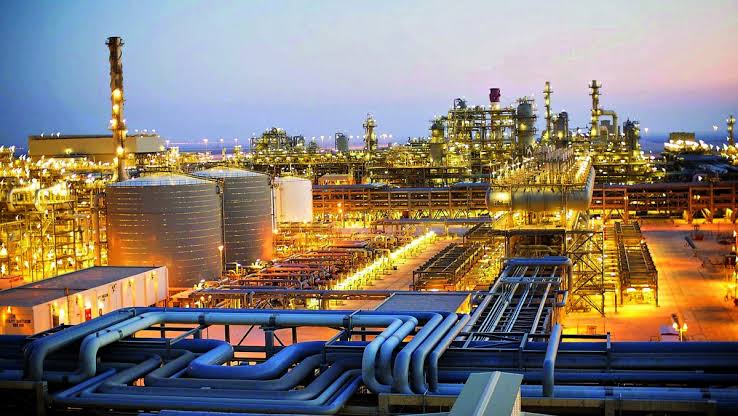
The defining decision that marked the beginning of Qatar's transformation was the large-scale expansion of the North Field's gas development[cite: 2]. At the time, the decision was widely described as bold[cite: 2]. Yet such a description remains incomplete unless it is accompanied by the most fundamental management question: Bold based on what?[cite: 2] At that moment, the global liquefied natural gas market had not yet reached maturity, while the required capital investment was enormous relative to the size of the national economy[cite: 2]. Every element of uncertainty was present[cite: 2]. Here lies one of the most significant institutional misconceptions: confusing a strategic bet founded on a clear, testable hypothesis with a gamble that merely hopes for the best[cite: 2].
Reality ultimately confirmed the validity of Qatar's strategic hypothesis[cite: 2]. By 2006, the country had become the world's largest exporter of liquefied natural gas, achieving record economic growth rates according to the International Monetary Fund[cite: 2]. By 2010, its annual production capacity had reached 77 million tonnes, while the value added by the hydrocarbon sector had climbed to QAR 403 billion[cite: 2]. The managerial lesson, however, lies not in the fact that the hypothesis proved correct, but in the fact that it existed in the first place[cite: 2]. Organizations that judge decisions solely by their outcomes reward luck and penalize sound judgment[cite: 2]. Well-governed institutions, by contrast, document their assumptions before implementation so that they can later distinguish between the quality of strategic thinking and the influence of external circumstances[cite: 2].

3. Institutional Capacity Before Financial Returns
One of the most significant yet often overlooked aspects of Qatar's development journey is that the central strategic question was never simply how to generate wealth, but rather what should be done with that wealth once it arrived[cite: 2]. For this reason, the institutional and sovereign response came remarkably early—years before the substantial revenues from oil and natural gas began to flow[cite: 2]. At the outset of the new era, and specifically in late 1996, Al Jazeera was launched as a pioneering media institution, preceding the financial boom and laying the foundation for Qatar's soft power and international reputation before financial returns became the primary concern[cite: 2]. This was followed by the establishment of major institutional and financial structures[cite: 2]. In 2001, the Supreme Council for Economic Affairs and Investment was created, and in 2005 the Qatar Investment Authority (QIA) was established, eventually evolving into one of the world's largest sovereign wealth funds, with investments spanning real estate, banking, technology, and sports[cite: 2]. The chronology itself provides compelling evidence that institutional capacity and global instruments of influence were built before material abundance, not as a consequence of it[cite: 2].
It is within this carefully sequenced approach that the true distinction emerges between an organization that grows deliberately and one that merely expands without direction[cite: 2]. The business world repeatedly demonstrates that sudden periods of growth are often managed through outdated organizational structures incapable of accommodating new realities[cite: 2]. Consequently, rapid success itself becomes the primary source of instability because the administrative capacity or institutional reputation remains too limited for the scale of the opportunity[cite: 2]. Such setbacks may appear to be the result of bad luck, when in fact they are symptoms of poor organizational design[cite: 2]. Therefore, the essential question facing every enlightened board of directors or strategic leader is not simply how to seize future opportunities, but whether the organization's institutional, governance, and communication structures are sufficiently prepared to absorb those opportunities and manage them successfully should they arise[cite: 2].
4. Strategy in Times of Prosperity: Foresight Rather Than Reaction
Qatar National Vision 2030, launched in 2008 at the height of the country's economic prosperity rather than in its aftermath, stands as perhaps the clearest expression of the strategic philosophy that guided Qatar's transformation[cite: 2]. Built upon four equally balanced pillars—economic, human, social, and environmental development—the Vision did not treat material prosperity as the primary objective while relegating the remaining dimensions to supporting roles[cite: 2]. Instead, it presented them as integrated foundations through which comprehensive national progress should be measured collectively[cite: 2]. In doing so, it made an explicit declaration that economic prosperity alone is insufficient unless it is accompanied by sustainable benefits for people, society, and the environment[cite: 2].
The timing of this document is precisely what gives it its greatest managerial significance[cite: 2]. Strategies written during periods of crisis often become little more than reactive responses disguised as planning[cite: 2]. By contrast, strategies formulated during times of prosperity deserve the name because they reflect genuine foresight rather than necessity[cite: 2]. Serious institutions are defined not by the decisions they make when circumstances leave them with no alternative, but by what they choose to build while success itself provides every justification for maintaining the status quo[cite: 2]. Genuine strategic planning is therefore an exercise in anticipating the future before challenges emerge, rather than attempting to repair the consequences of the present[cite: 2].
5. A Bet Beyond the Stadium: Time-Bound Commitments as Engines of Sustainable Transformation
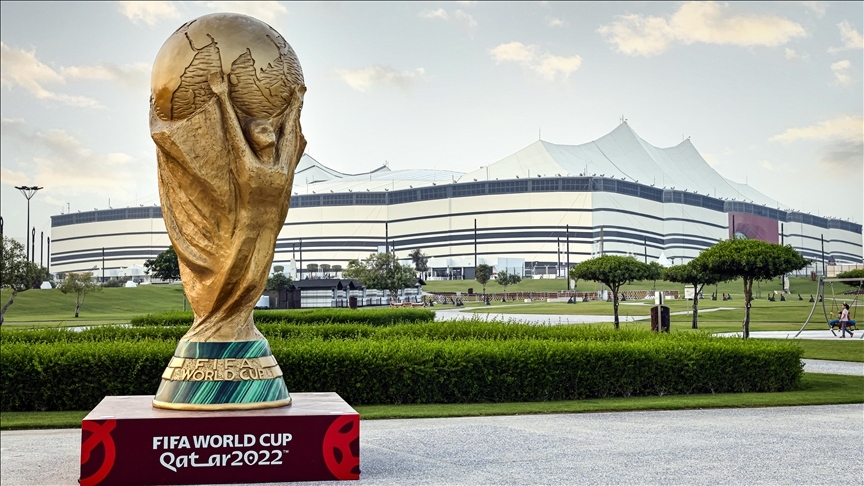
When Qatar was awarded the right to host the FIFA World Cup in December 2010, the decision appeared to many observers around the world to be surprising, if not controversial, given the country's geographical size and climatic conditions[cite: 2]. Yet interpreting the event solely through a sporting lens is perhaps the weakest and most superficial reading of the decision[cite: 2]. In strategic terms, the World Cup functioned as a powerful mechanism of time-bound commitment—a global deadline that could neither be postponed nor negotiated[cite: 2]. It compelled the country to deliver an unprecedented network of transformational infrastructure, including a new metro system, an expanded international airport, modern highways, and entirely new urban developments within just twelve years, rather than over the decades such projects would normally require[cite: 2].
Once these projects were completed, they remained as enduring national assets serving the country and future generations long after the final whistle had blown[cite: 2]. This reflects the very same strategic logic that underpinned Qatar's investment in natural gas: a clearly defined hypothesis, a binding timeline, and sustainable assets with long-term value[cite: 2]. The broader managerial lesson is equally significant[cite: 2]. Major transformation projects rarely fail because of insufficient funding; they fail because they lack firm and non-negotiable deadlines[cite: 2]. External commitments dramatically increase the cost of delay and make retreat far more difficult[cite: 2]. Perhaps the strongest administrative lesson is that the leadership which secured the World Cup bid in 2010 entrusted its completion to His Highness Sheikh Tamim bin Hamad Al Thani, under whose leadership the tournament was delivered in a manner that captivated the world[cite: 2]. This demonstrates that successful transformation is designed to outlive its founders and to be completed by succeeding generations of leadership[cite: 2].
6. Investing in What Does Not Appear in the Next Quarter: The Imperative of Human and Knowledge Capital
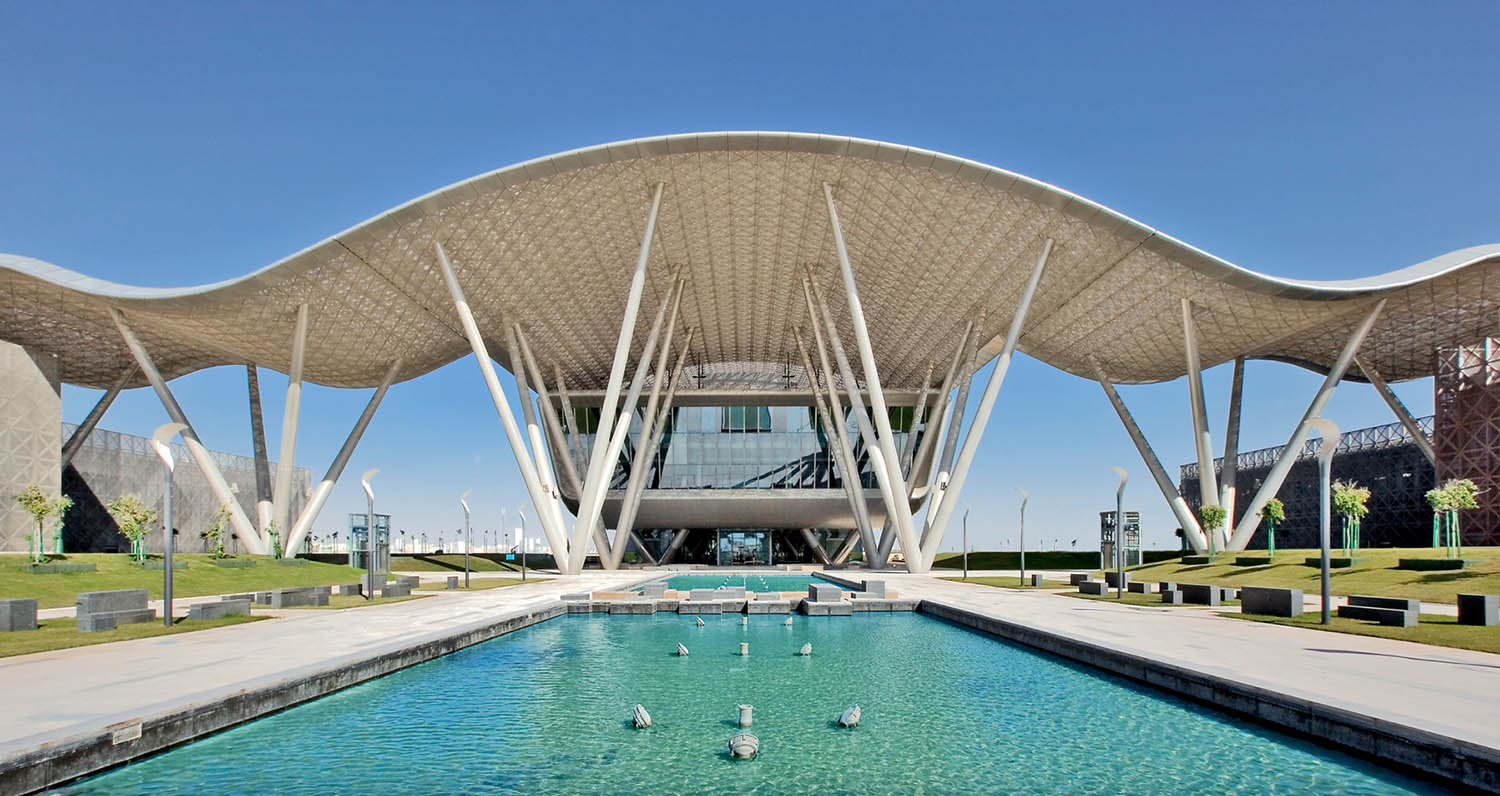
Impressive economic figures can easily dominate attention, yet the deeper significance of Qatar's development experience lies elsewhere[cite: 2]. One of the country's earliest strategic decisions was not made in the energy sector, but in education and knowledge[cite: 2]. In August 1995, before revenues from liquefied natural gas had begun to flow, Qatar established the Qatar Foundation for Education, Science and Community Development, initiating long-term investments in education, research, and human development through the creation of Education City and a network of research institutions[cite: 2]. Such investments possess one critical managerial characteristic: their returns are significantly delayed and rarely become visible in quarterly or even annual financial statements[cite: 2].
For precisely this reason, expenditure on employee development, institutional learning, and knowledge creation is often the first item to be reduced when organizations encounter financial pressure[cite: 2]. Because the consequences are not immediately visible, postponing these investments appears to carry little short-term cost—much like neglecting the maintenance of a building's foundations while its structure still appears intact[cite: 2]. Yet over time, the accumulated consequences become profound[cite: 2]. The true measure of an institution's commitment to its people is therefore not demonstrated during periods of prosperity, but during difficult years when abandoning long-term capability building becomes the easiest option[cite: 2]. Qatar's experience confirmed the wisdom of this approach[cite: 2]. By 2025, the country ranked first globally in attracting international students according to the Global Innovation Index—an achievement that illustrates a fundamental truth: the seeds of knowledge are neither planted nor harvested within a single fiscal year or one budget cycle[cite: 2].
7. Sequence Is the Message: From Random Growth to Deliberate Transformation
A single structural principle connects every stage of Qatar's transformation: the discipline of sequence[cite: 2].
- First came the hypothesis, then the strategic bet[cite: 2].
- First the institution, then the return[cite: 2].
- First the vision, then the need[cite: 2].
- First the binding deadline, then the project[cite: 2].
- First the investment in people, then the investment in physical development[cite: 2].
It is within this carefully designed sequence that the essential distinction emerges between growth as an external phenomenon driven by favorable market conditions and economic cycles, and transformation as an intentional internal process consciously designed by institutions[cite: 2]. Exceptional results, in this sense, are not the cause of transformation but its consequence[cite: 2].
The strongest evidence that Qatar's experience was the product of deliberate strategic design rather than fortunate circumstances lies in its continuity and sustained evolution[cite: 2]. By 2025, the country had reached the forefront of the Global Innovation Index, reflecting the natural continuation of an approach whose foundations were laid during the 1990s and whose achievements have continued to flourish under the leadership of His Highness Sheikh Tamim bin Hamad Al Thani[cite: 2]. A structure that cannot endure beyond its builder is not truly a structure—it is merely a temporary accomplishment[cite: 2]. The remarkable achievements witnessed today, from Qatar's global leadership in liquefied natural gas to the many-fold expansion of its gross domestic product, are therefore outcomes of a carefully constructed methodology rather than isolated successes[cite: 2]. Those who admire the results while overlooking the method may appreciate the story, but they will leave without practical lessons that can be applied or measured within the boardrooms of governments and organizations[cite: 2].